Services
Why Recycle Laptop Computers
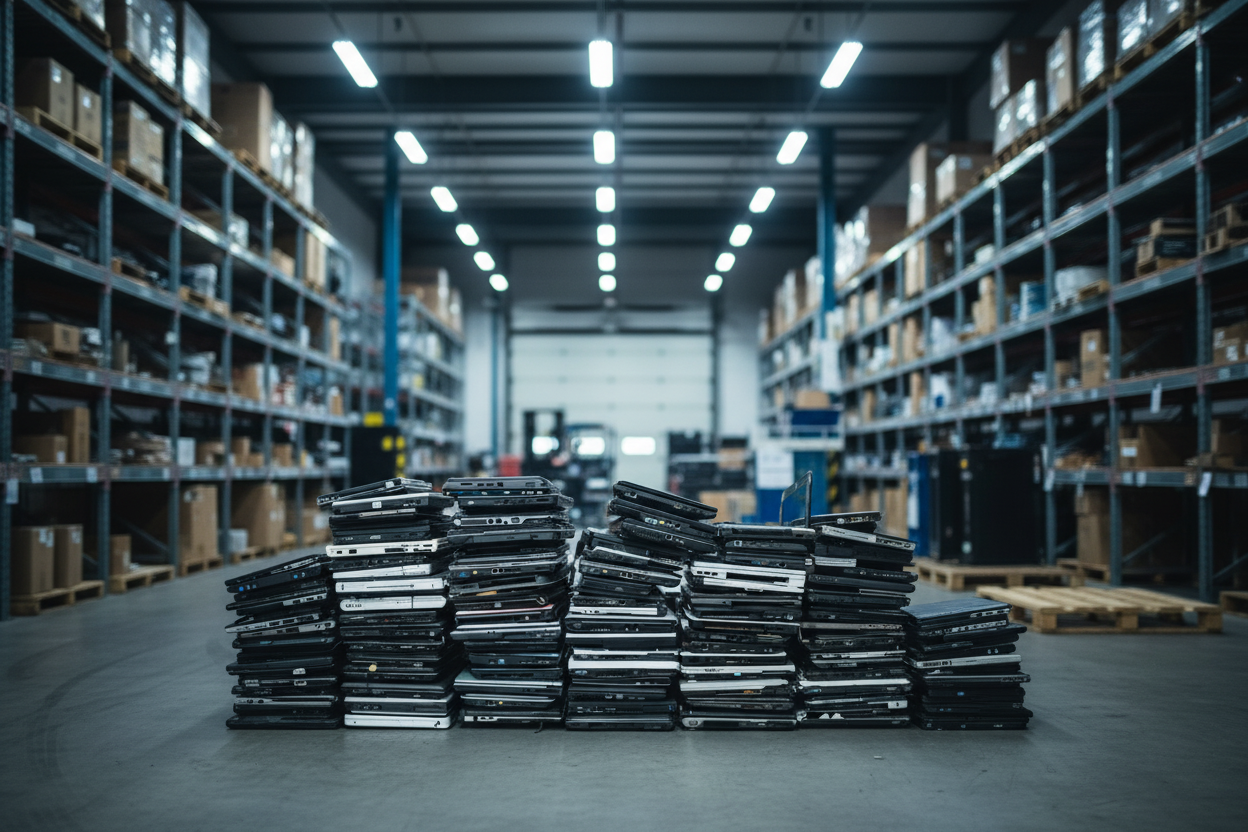
Companies recycle laptop computers because it is responsible to do so. In today’s day and age, the large amount of technology makes it critical for companies to replace outdated computers on a more regular basis than in the past. Advancements in technology happen each day. Keeping up with the changing times and technology is an essential practice for businesses.
Accordingly, the constant change in technology brings about a large amount of eWaste. The stockpile of excess computers and peripherals continues to develop. The need to responsibly discard these electronics develops as well.
According to a study by the United Nations, the international community amassed approximately 44.7 million tons of scrap computers and electronics eWaste in 2016. Surprisingly, consumers and corporations recycled only 20% of it. In that same year we recycled nearly 25,000 tons of computers and electronics.
Because the volume of eWaste continues to mount, laptop recycling turns into an increasingly more essential practice. Instead of landfilling eWaste, responsible companies must think about its impact on the environment. We keep large business from contributing to eWaste and encourages them to recycle laptop computers.
The process of laptop recycling starts after we buy eScrap from businesses. These are the steps used to recycle laptops:
- Use tools to dispose of glass, plastics, and other contaminants
- Remove batteries, circuits, and wiring
- Extract nonferrous metals
- Prepare to sell precious metals
- Cautiously dispose of contaminants
The need for businesses to recycle laptops develops every day. The components that are found in computers and monitors will cause serious issues to the environment if not disposed of appropriately. In addition to basically destroying eWaste, there can be difficulties in the laptop recycling process. Recyclers burn the plastic coating of insulation off metal wires.
This process permits recyclers to separate the copper inside from the plastic. Separating the more critical industrial metals from the cheap plastic makes the most sense. Furthermore, this process permits smelters to use the segregated metal to shape new pure ingots.
Furthermore, the removal of the residual plastic waste ought to be done in an appropriate and safe manner. If not, it will harm the soil and water in the area. We are an ensured R2:2013 recycler. The high R2 standard ensures that recyclers put aside the effort to dispose of eScrap in a safe, environmentally friendly way.
Recycling Computers and Laptops
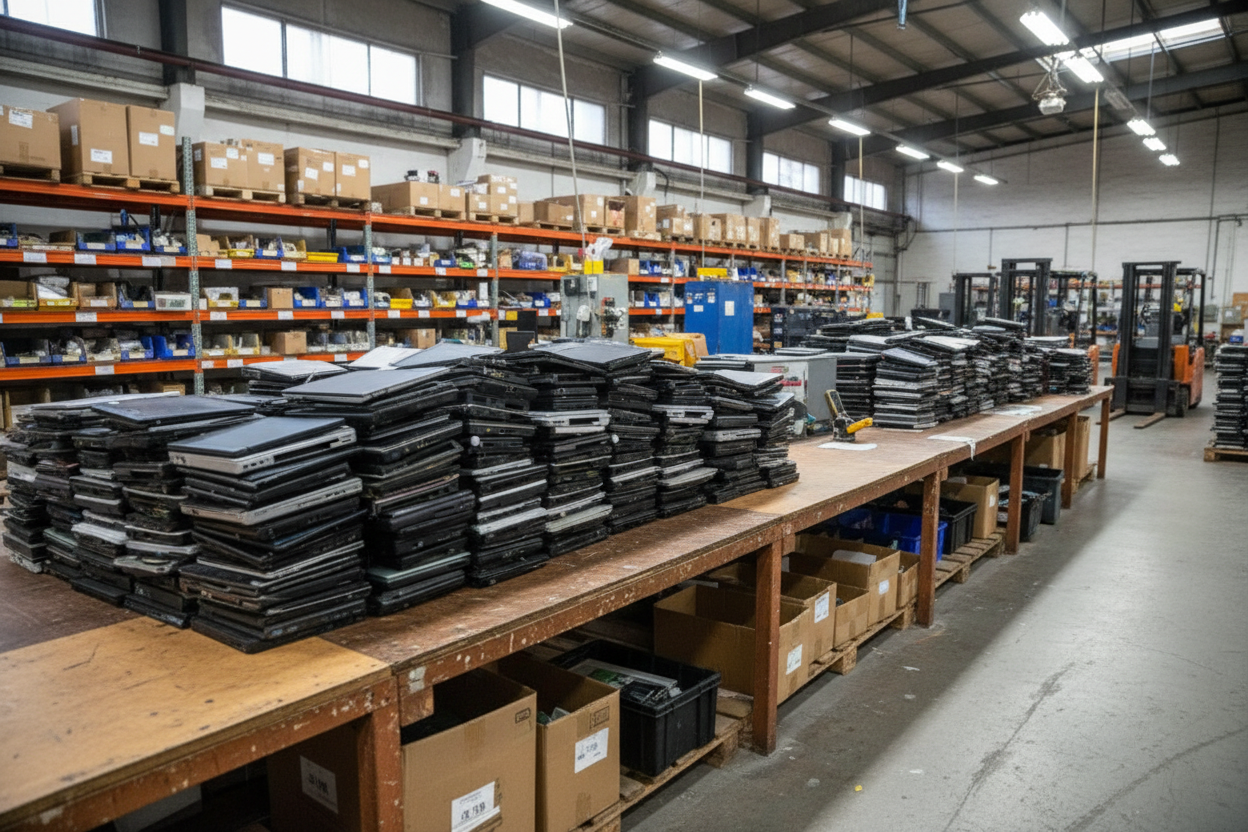
In the age of technology, computers and laptops are essential for work, school and other different places. With an expanding number of services changing to online platforms, there is an increasing amount of computers and laptops being utilized. With an abundance of these products being used, they eventually wear down and consumers must discard of them. Therefore, with an enormous number of laptops and computers being thrown out every day, improper disposal could cause these scrap materials eat up space in landfills which prompts more pollution. To avoid this, it is critical to understand the process of laptop recycling.
Recycling computers permits significant metal scrap to be in reuse. In addition, some to these reusable materials include:
- Circuit boards
- Keyboards
- Hard drives
- Computer wires
- Cables
- Heat sinks
- Transformers
Materials like heat sinks, transformers, computer wire and more contain copper and aluminum components which can be reusable to make several different products.
To recycle laptops and computers, one must be acquainted with the process of recycling laptops.
The process of recycling computers consists of:
- Collecting and sorting the laptops and computers.
- Breaking the laptops and computers down with a hammer or hammering mill.
- Separating the individual components.
- Taking these individual components to their different recycling points for further processing.
- Finally, packing non-recyclable materials and properly disposing of them in an efficient manner.
Recyclers make sure to follow EPA regulations during this process to ensure safety and environmental protection. Since the process of recycling laptops has been discussed, it is significant to understand why performing this process in vital.
How to Recycle Laptops: The Process
Computers and laptops are essential in this current society. They in use for a variety of different services. An increasing amount of laptops and computers in use as more resources change to online platforms. Thus, a ton of computers and laptops eventually wear down causing consumers to throw them out. Discarding these gadgets incorrectly could cause these materials to consume room in landfills causing an increase in pollution. To steer clear of this, one must be familiar with how to recycle laptops.
The process of recycling laptops consists of:
- Collecting and organizing the laptops and computers.
- Next, breaking the laptops and computers down with a hammer or hammering mill.
- Then, separating the individual components.
- Furthermore, taking these individual components to their distinctive recycling points for extra processing
- Finally, packing non-recyclable materials and correctly disposing of them in a productive manner.
Professional recyclers put the environment and safety first when performing this procedure by following EPA regulations.
Since the process of recycling computers has been discussed, why is this process so significant?